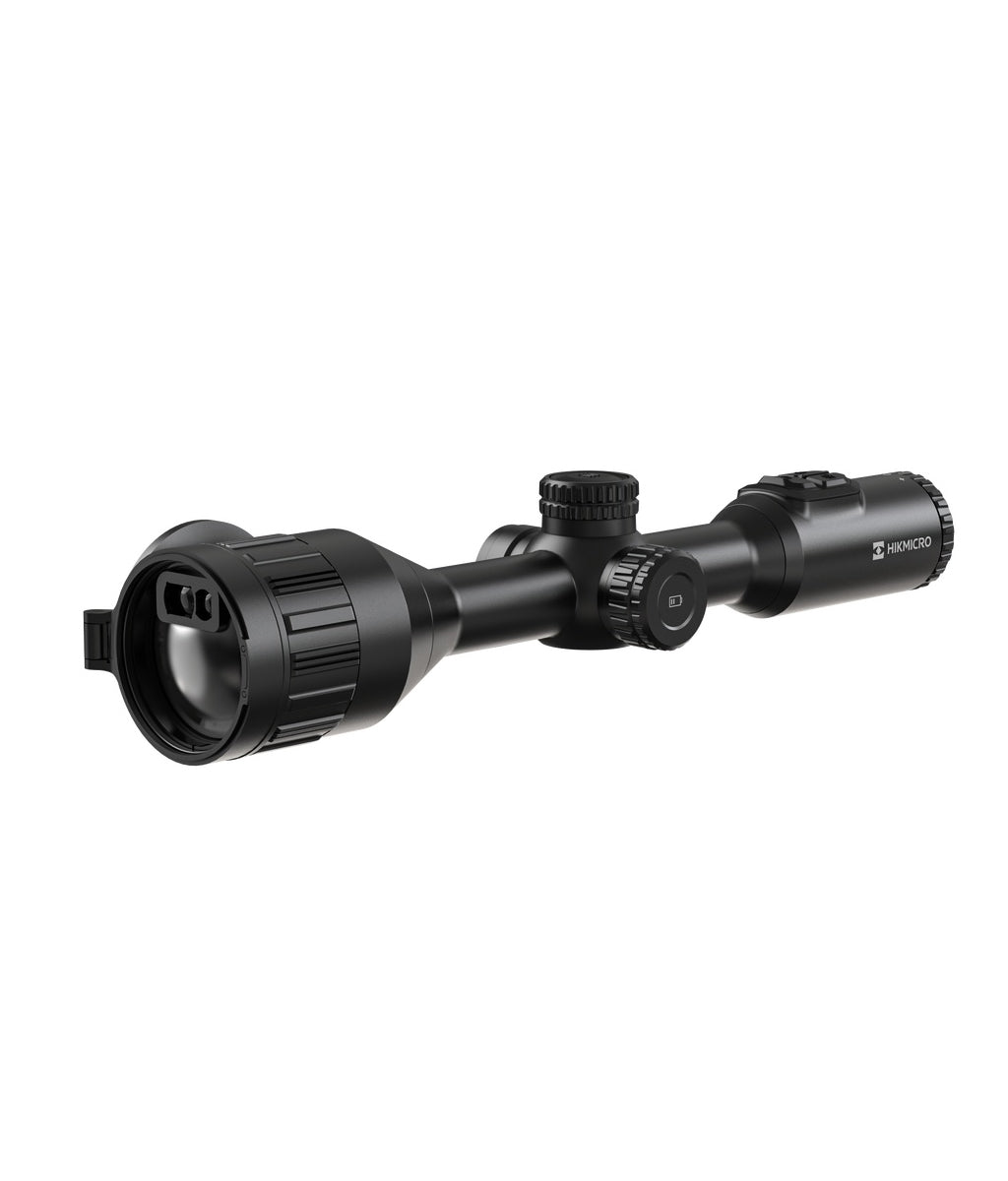
HM-SX60LS
Refresh
50Hz
Detection
3,100m
Battery
6.5 hrs
Long-Range Thermal Riflescope + LRF
STELLAR SX60LS 3.0
The flagship. A 1280 detector behind 60mm of germanium and 3,100 m of reach.
A$9,269
10% Off All Accessories
Discount already applied — no code needed
HIKMICRO
Premium thermal optics. Now at a better price. The HIKMICRO Stellar 3.0 series delivers exceptional clarity, precision and performance — and now you can get it for less.
Limited Time Offer
Prices start 30 September
Don't miss out!
Choose the perfect model for your needs

Was
$6,499
Now
$4,999
8.8° x 7.0°
Field of View
2600m
Detection Range
3.6-26.6x
Magnification

Was
$5,799
Now
$4,499
12.5° x 10°
Field of View
1800m
Detection Range
2.5-24.5x
Magnification

Was
$4,799
Now
$4,199
5.3° x 4°
Field of View
2600m
Detection Range
6-24x
Magnification

Was
$3,999
Now
$3,699
7.5° x 5.7°
Field of View
1800m
Detection Range
4.2-24.2x
Magnification
Amazing Clarity
Crisp detail, even in total darkness
Accurate Detection
Find your target faster and easier
Rugged & Reliable
Built for harsh outdoor conditions
Long Battery Life
More time in the field, less time charging
Trusted Brand
HIKMICRO quality and support
Shop the Stellar 3.0 Range
Limited time only. Offer starts 30 September.
To get the best price, call Matt.
0458 898 650HIKMICRO
See the difference
[01] — The Arsenal
The full HIKMICRO Stellar, Lynx, Condor and NEOS line, held in stock and backed by a 3-year manufacturer warranty.
Refresh
50Hz
Detection
3,100m
Battery
6.5 hrs
Long-Range Thermal Riflescope + LRF
The flagship. A 1280 detector behind 60mm of germanium and 3,100 m of reach.
A$9,269
Refresh
50Hz
Detection
1,800m
Battery
13 hrs
Thermal Riflescope
640 detector in a 35mm body. Built for timber and tight country.
A$3,999
Refresh
50Hz
Detection
1,800m
Battery
9 hrs
Thermal Riflescope + LRF
640 detector, 35mm glass and a built-in 1,000 m rangefinder.
A$5,799
A$4,499
Refresh
50Hz
Detection
2,600m
Battery
15 hrs
Long-Range Thermal Riflescope + LRF
640 detector, 50mm glass and a built-in 1,000 m rangefinder.
A$6,499
A$4,999
Refresh
50Hz
Detection
1,800m
Battery
9 hrs
Thermal Riflescope + LRF
384 detector, 35mm glass and a built-in 1,000 m rangefinder.
A$3,999
A$3,699
Refresh
50Hz
Detection
2,600m
Battery
9 hrs
Long-Range Thermal Riflescope + LRF
384 detector behind 50mm glass. 2,600 m of reach with LRF.
A$4,799
A$4,199

Refresh
50Hz
Detection
1,800m
Battery
5 hrs
Thermal Monocular
The 640 core joins the Lynx line. 1,800 m of detail in one hand.
A$3,299

Refresh
50Hz
Detection
1,800m
Battery
5 hrs
Thermal Monocular + LRF
640 detector, 35mm glass and a 1,000 m rangefinder in your pocket.
A$3,799

Refresh
50Hz
Detection
900m
Battery
4.5 hrs
Thermal Monocular
Pocket-sized 19mm spotter. 900 m of detection in 331 grams.
A$1,899

Refresh
50Hz
Detection
1,350m
Battery
6 hrs
Thermal Monocular
25mm lens, 1,350 m detection, still jacket-pocket sized.
A$2,099

Refresh
50Hz
Detection
1,800m
Battery
4.5 hrs
Long-Range Thermal Monocular
The powerhouse of the Lynx line. 1,800 m of detection.
A$2,399

Refresh
50Hz
Detection
1,800m
Battery
6.5 hrs
Thermal Monocular + LRF
The all-rounder. 15mK sensitivity, 1,000m rangefinder built in.
A$2,999

Refresh
50Hz
Detection
2,600m
Battery
6.5 hrs
Long-Range Thermal Monocular + LRF
50mm F0.9 glass. 2,600 m of reach in one hand.
A$4,299

Refresh
50Hz
Detection
1,800m
Battery
8 hrs
Thermal Riflescope + LRF
384 core, 35mm F1.0 and 1,800 m of detection.
A$2,999

Refresh
50Hz
Detection
1,800m
Battery
9 hrs
Thermal Riflescope + LRF
320 core with a 1,000 m rangefinder in the NEOS body.
A$1,999

Refresh
50Hz
Detection
1,200m
Battery
9.5 hrs
Thermal Riflescope
256 core, 25mm F1.0 lens and 1,200 m of detection.
A$1,599
[02] — Accessories
Thermal and light mounts, lasers, batteries and power — the hardware that carries your optic.
A$345
A$310.5
A$255
A$229.5
A$249
A$224.1
A$385
A$346.5
A$129.95
A$116.95
A$29.95
A$26.96
A$35
A$31.5
A$69.95
A$62.96
A$51.95
A$46.76
A$59
A$53.1
A$89
A$80.1

A$99
A$89.1
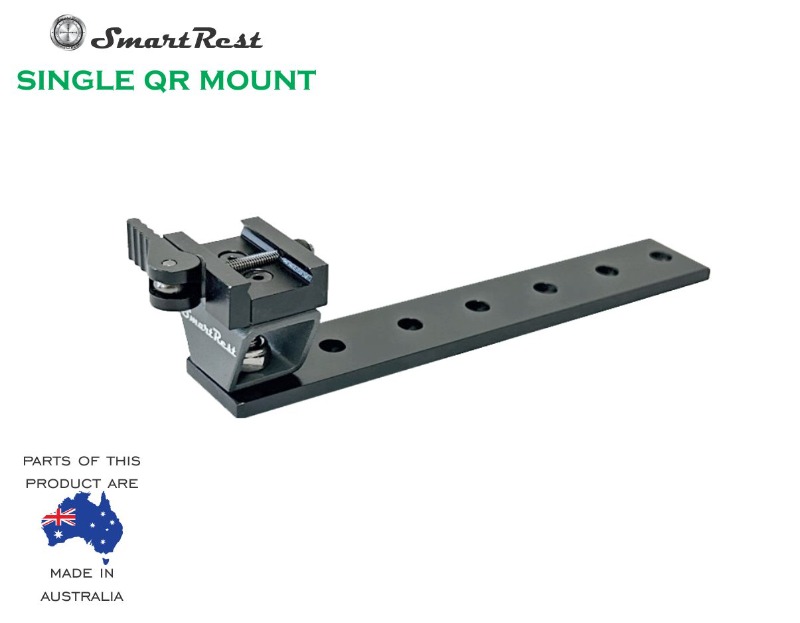
A$79
A$71.1
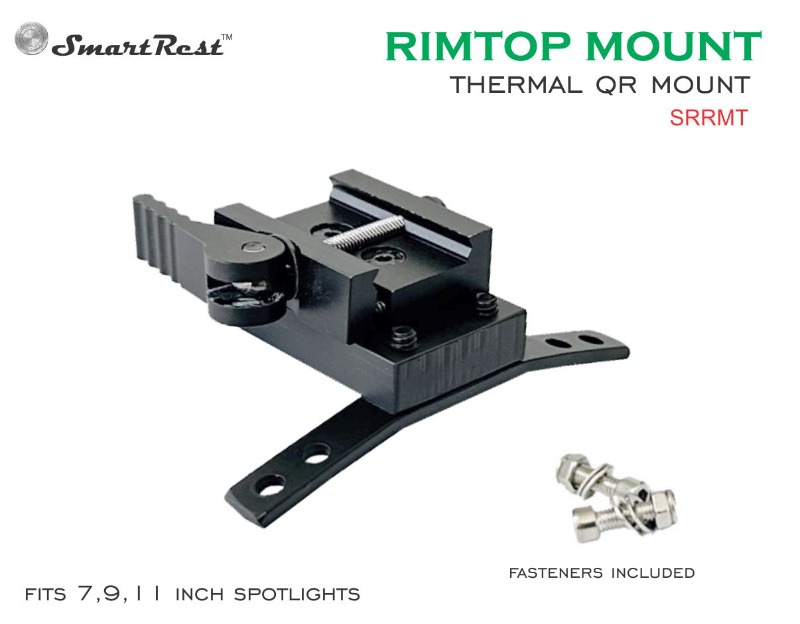
A$99
A$89.1

A$99
A$89.1
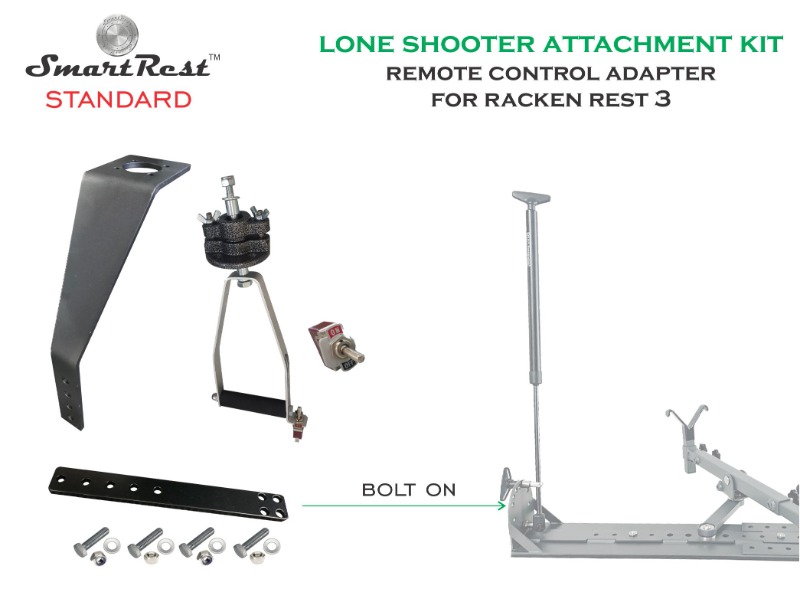
A$199
A$179.1
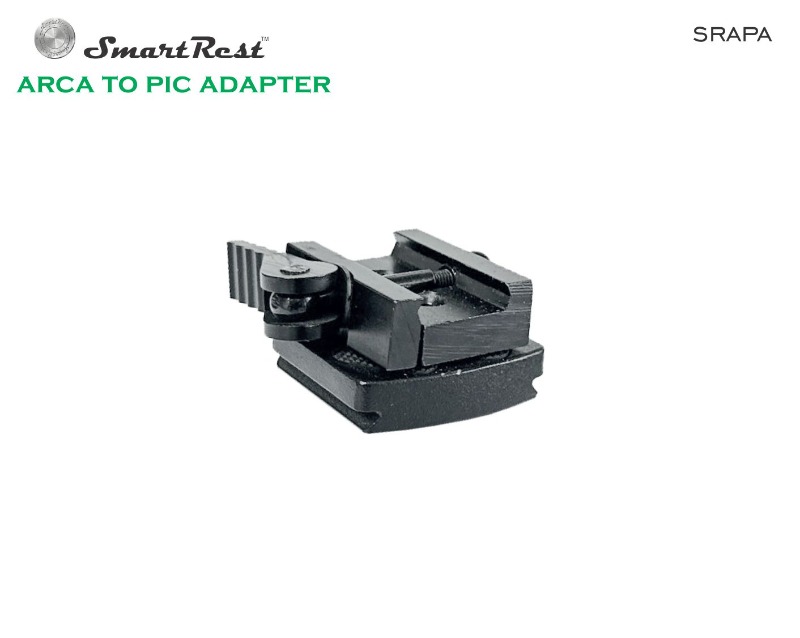
A$65
A$58.5
A$110
A$99
A$369
A$332.1
A$89
A$80.1
A$30
A$27
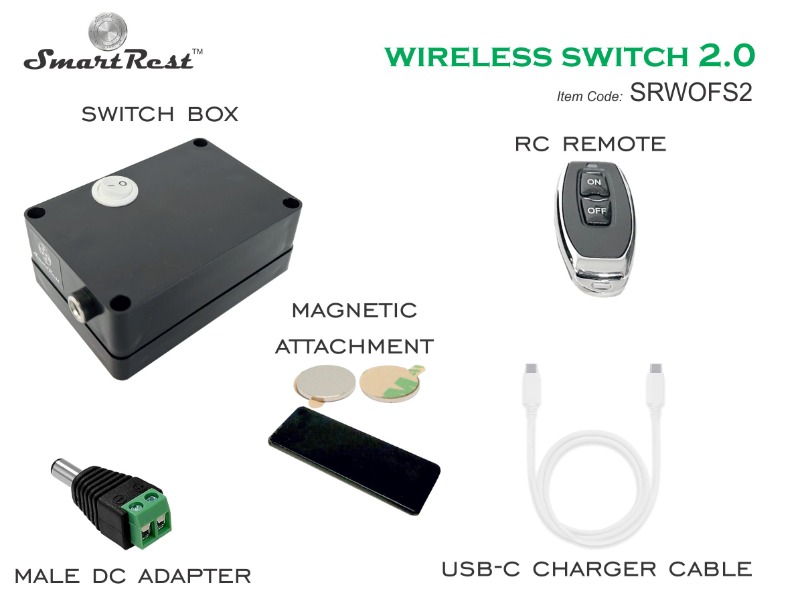
A$95
A$85.5
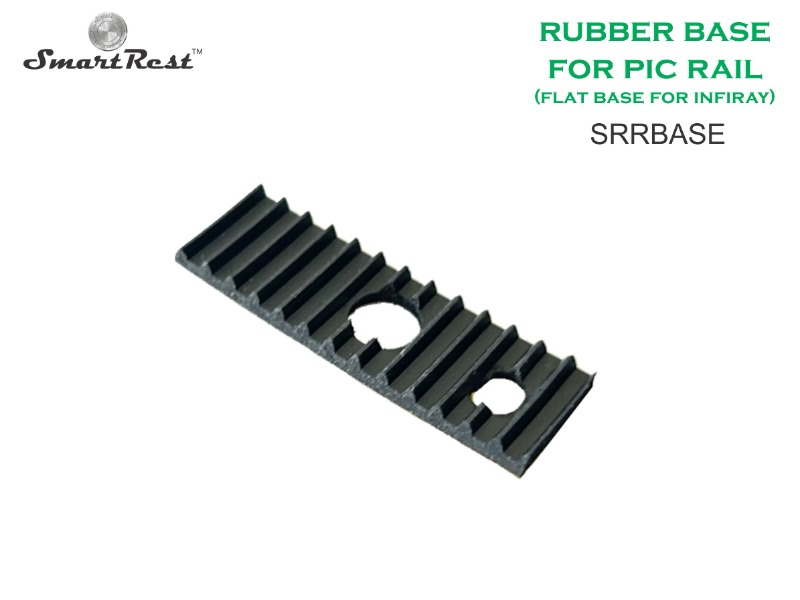
A$19
A$17.1
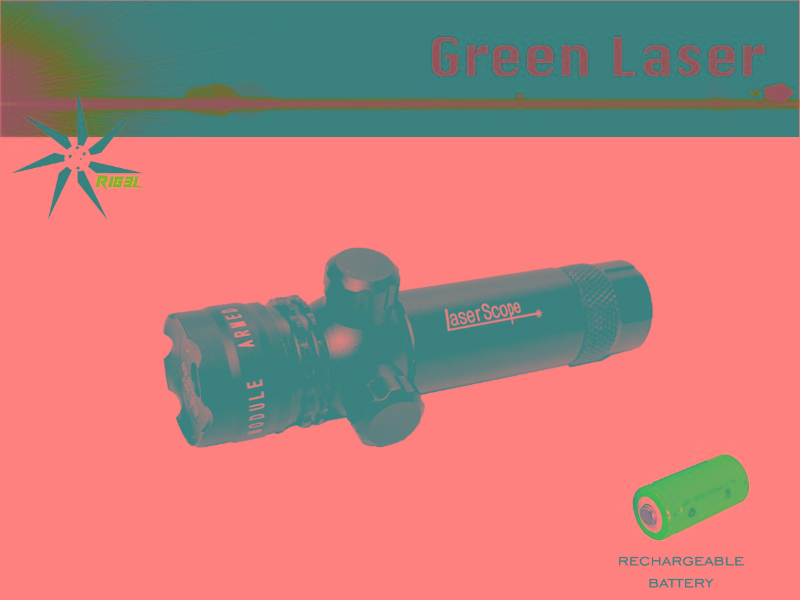
A$57
A$51.3
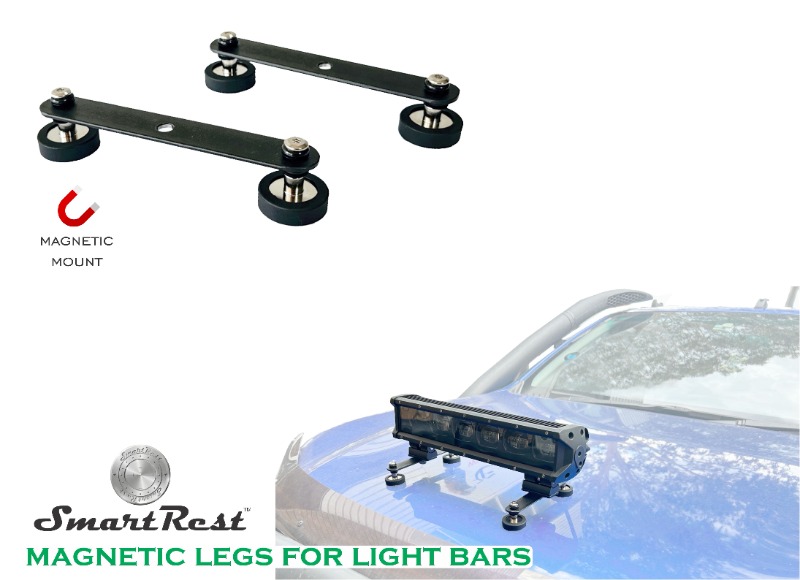
A$69
A$62.1
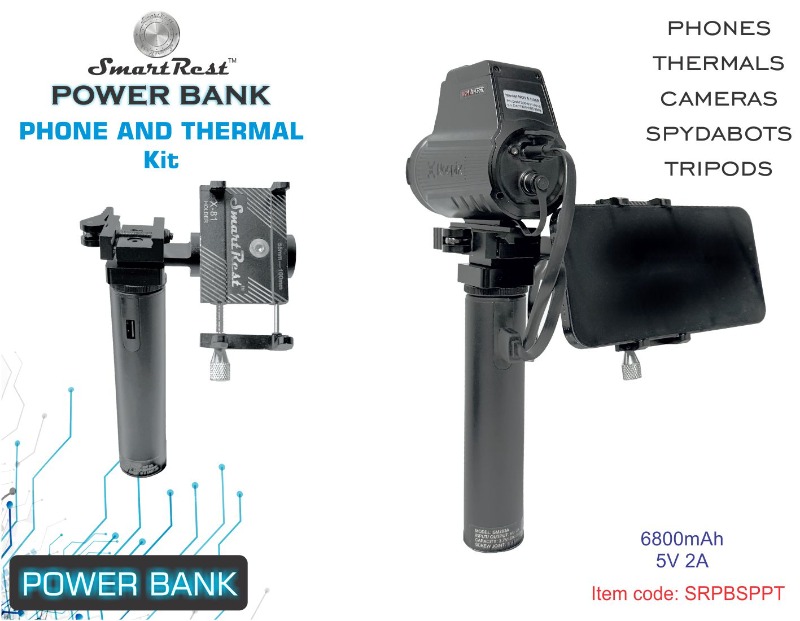
A$179
A$161.1
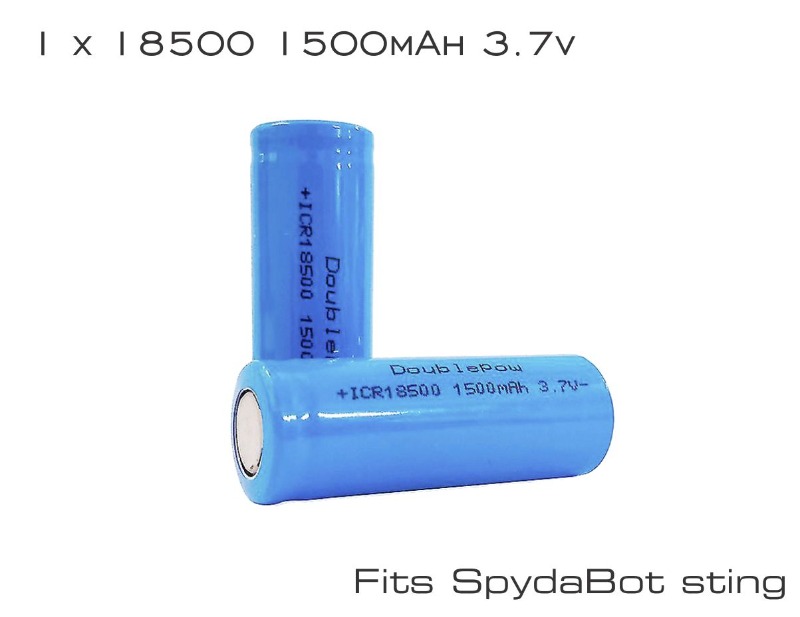
A$20
A$18
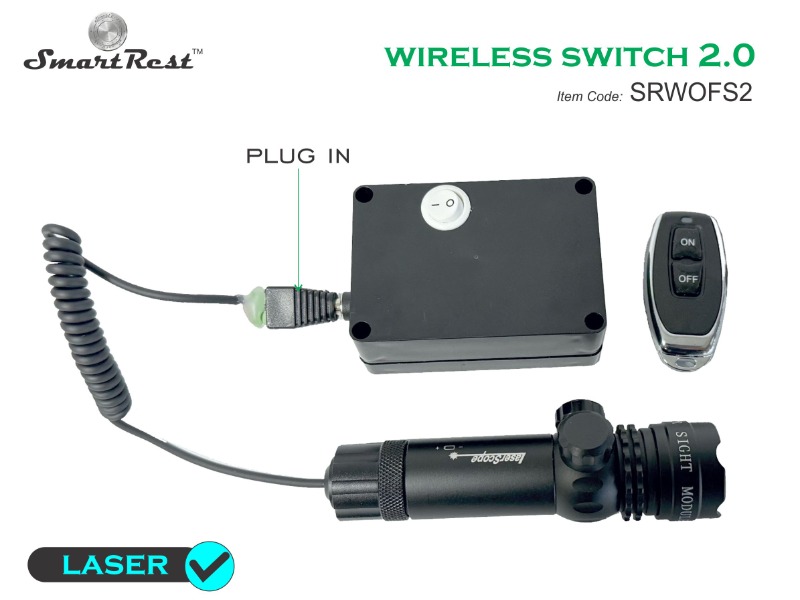
A$179
A$161.1
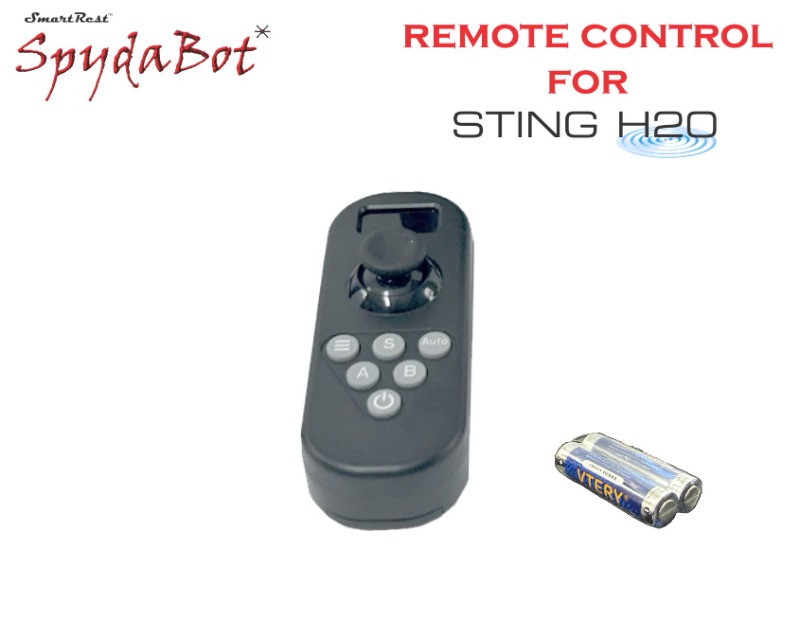
A$59
A$53.1
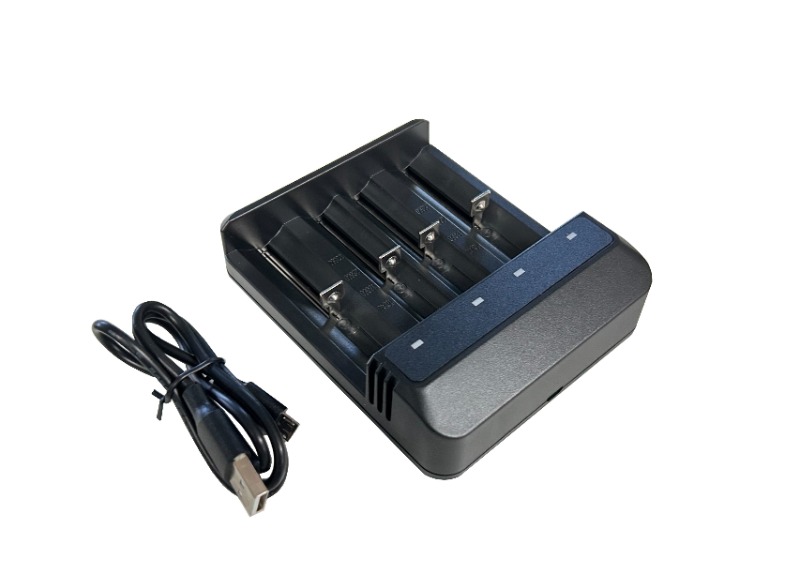
A$29.9
A$26.91
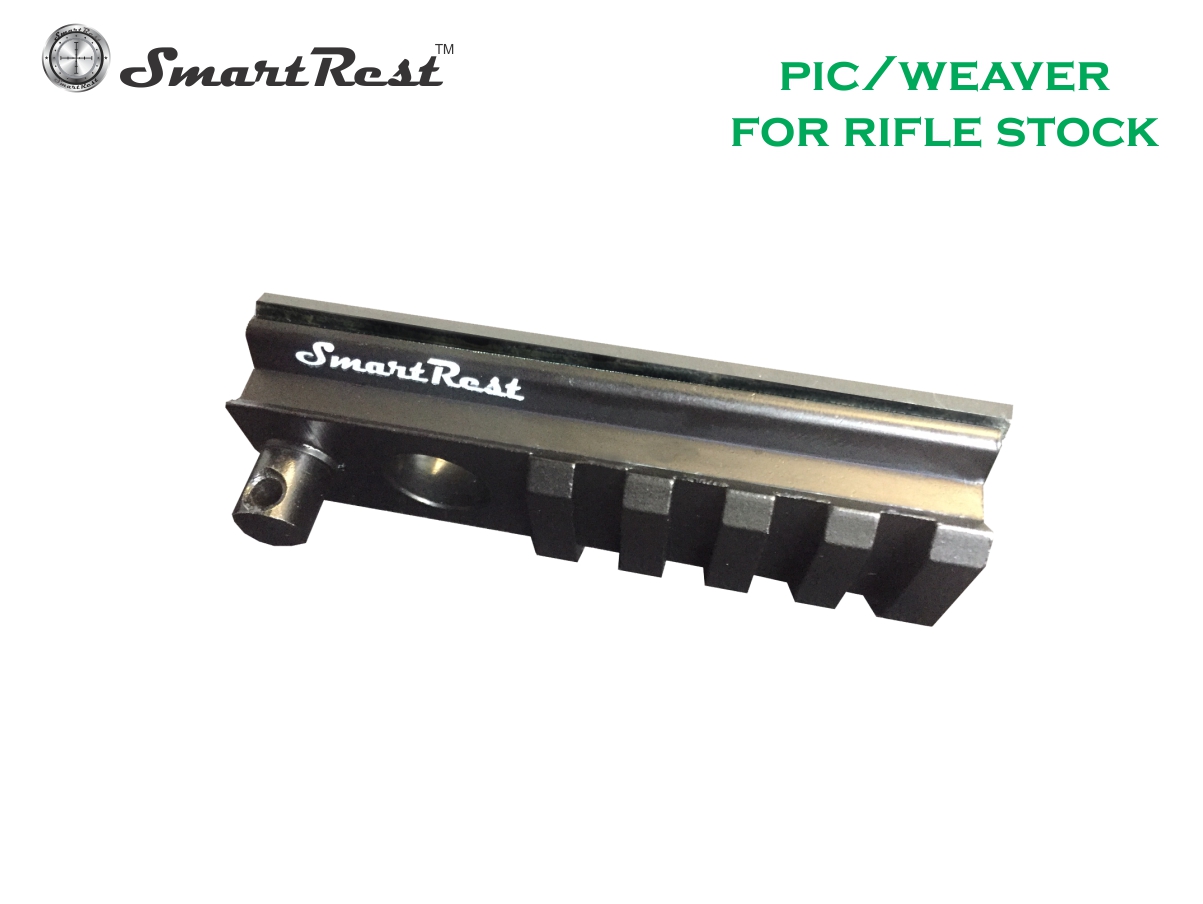
A$39.95
A$35.96
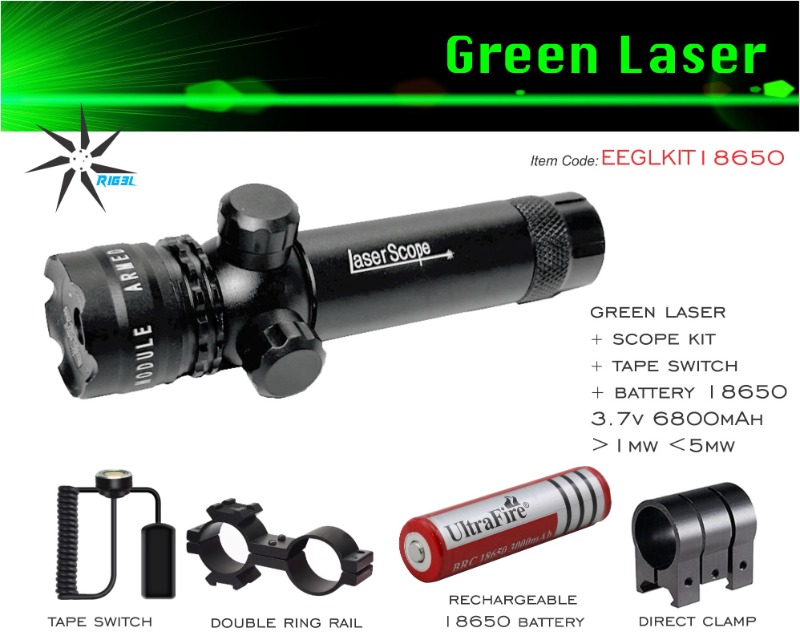
A$85
A$76.5
[03] — Sensors Explained
Every optic in this catalogue runs on the same trick: warm things glow. Not in visible light — in infrared.
An animal is always hotter than the country behind it. A thermal sensor doesn't need moonlight, a spotlight or a clear night — it only needs that difference. Below is how the tube turns heat into a picture, and what the numbers on the spec sheet actually mean once you're out in the paddock.
01
Reads the heat coming off everything in the scene — animal, stump, rock and all.
02
Amplifies whatever light is left over and brightens the picture.
03
Your own eyes, only further down the paddock.
Five things happen between the animal and your eye, and they happen in this order.
The heat leaves the animal
Anything above absolute zero gives off infrared radiation. The hotter the body, the harder it throws — and the easier it is to pick out of the scrub.
Germanium gathers it
Ordinary glass blocks infrared outright. Thermal objectives are cut from germanium, which passes the radiation straight through to the detector.
The microbolometer reads it
A grid of vanadium-oxide pixels, each one shifting its electrical resistance as heat lands on it. That shift, pixel by pixel, is your image.
The processor maps it
Image Pro turns those raw resistance readings into a clean temperature map, fifty frames a second, so moving game stays sharp instead of smearing.
The OLED shows it
Hot reads bright, cold reads dark. Swap palettes when the contrast suits the country better — black hot over wet grass, white hot over bare paddock.
Four figures on every spec sheet decide how far and how clearly you'll see.
Pixel pitch
12μm
How much country each pixel covers. Tighter pitch means real detail — antlers and ears, not just a warm blob.
Thermal sensitivity
<15mK
The smallest temperature difference the sensor can pull apart. Lower is better, and it's what carries you through fog and humidity.
Refresh rate
50Hz
How often the picture rebuilds. Fifty frames a second keeps a pig breaking from cover in frame instead of leaving a trail behind it.
Objective
60mm
Front glass diameter. More of it gathers more heat and reaches further, at the cost of a narrower field of view up close.
Sensor type
The other way to build a thermal sensor is to cryogenically chill it below −190°C. It buys a fraction more sensitivity, and costs you weight, power, price and a long wait before the first frame. For hunting, the uncooled vanadium-oxide detector wins every time — and it's what sits inside every scope and monocular on this page.
Instant on
No cool-down wait — it's ready the moment you are.
Silent
No cooler running, so nothing to spook the game.
Field-servicable
Compact, sealed to IP67 and built to cop a knock.
Made for heat
Runs at ambient temperature — at home in an Australian summer.
[04] — Search
Search the full range — HIKMICRO, Nocpix, mounts, rails, trail cameras and accessories.
84 products in stock
[04] — Intel